A ten-year continuous collaboration shaping the visual identity of KRIK — Festival of Critical Culture, translating urgent socio-political themes into strong, concept-driven visual systems across posters, publications and communication materials.
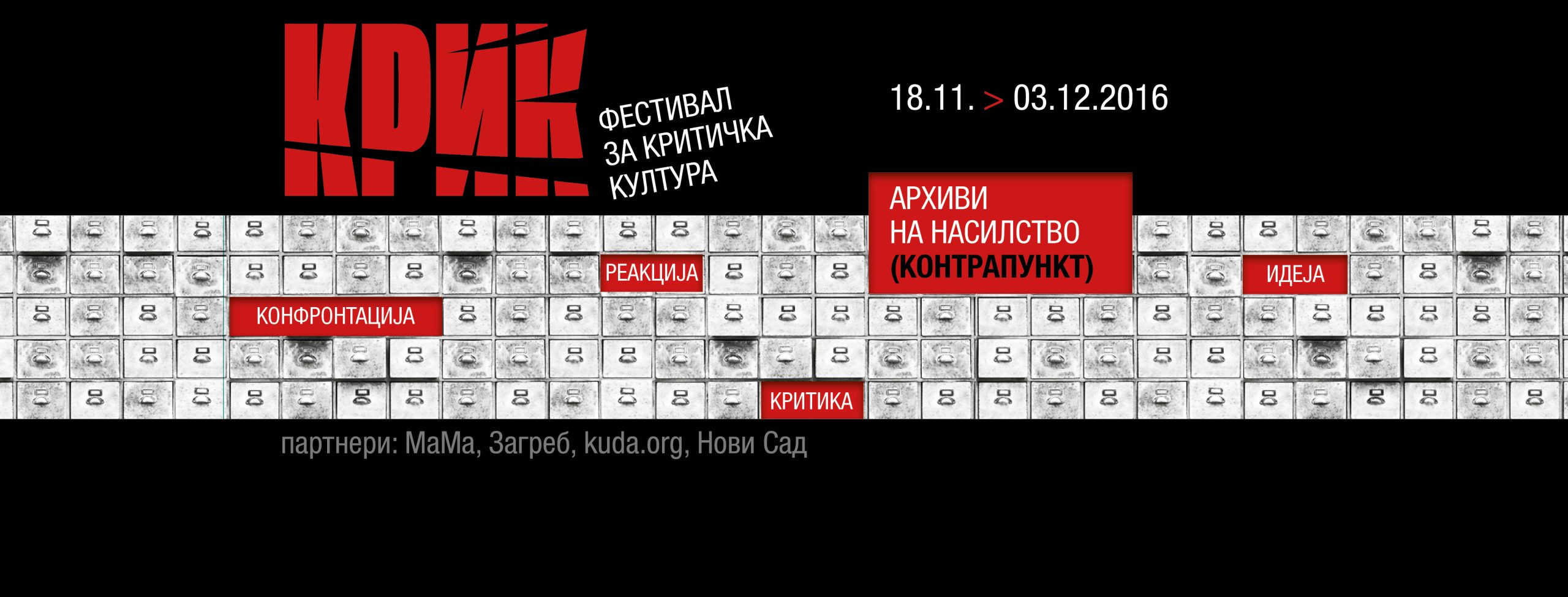
The 2016 edition, themed Archives of Violence, introduced a raw archival aesthetic built on confrontation, critique and collective memory, establishing the visual language that would evolve across the following years.
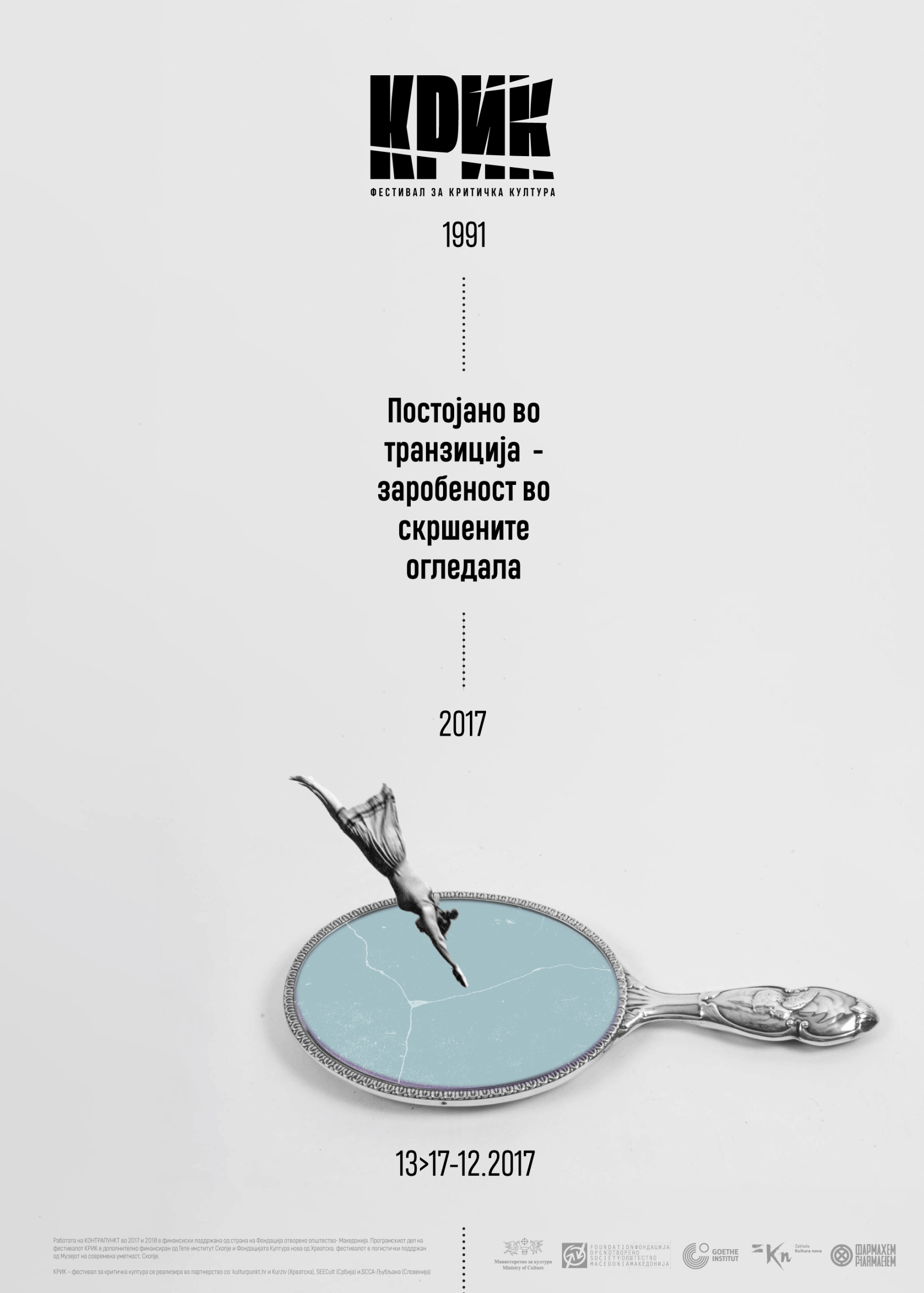
The 2017 edition of KRIK Festival for Critical Culture, titled Permanent Transition — Trapped in Broken Mirrors, explored the psychological and social condition of living in fragmented realities. The broken mirror becomes a central metaphor for distorted reflection, unstable identity and the uneasy space between memory and present time.
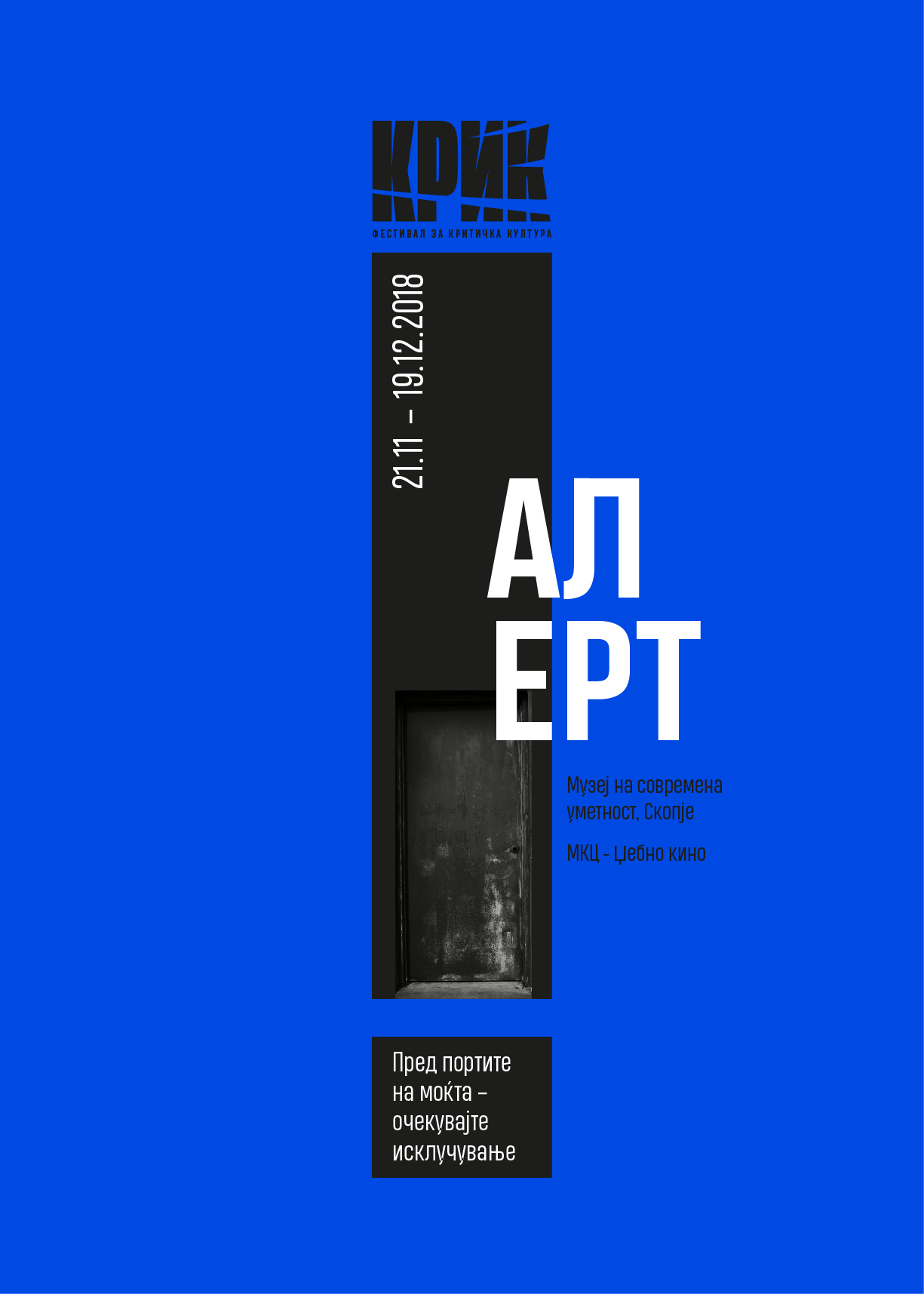
KRIK 2018, titled ALERT! — At the Gates of Power, Expect Exclusion, explored political exclusion as an architecture of controlled access. Drawing from Kafka’s Little Fable, the visual language evokes narrowing systems, sealed passages and the silent mechanics of institutional power.
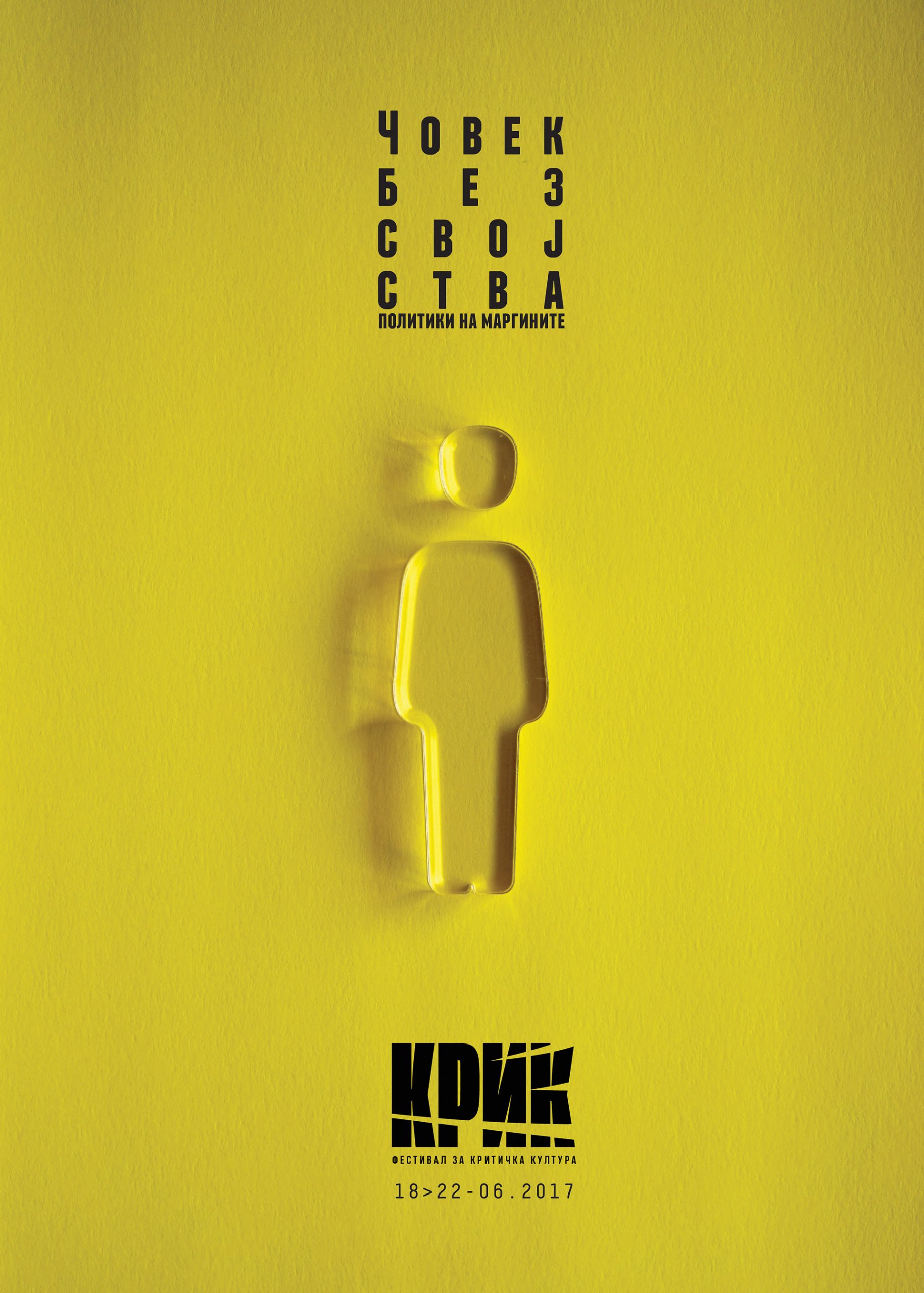
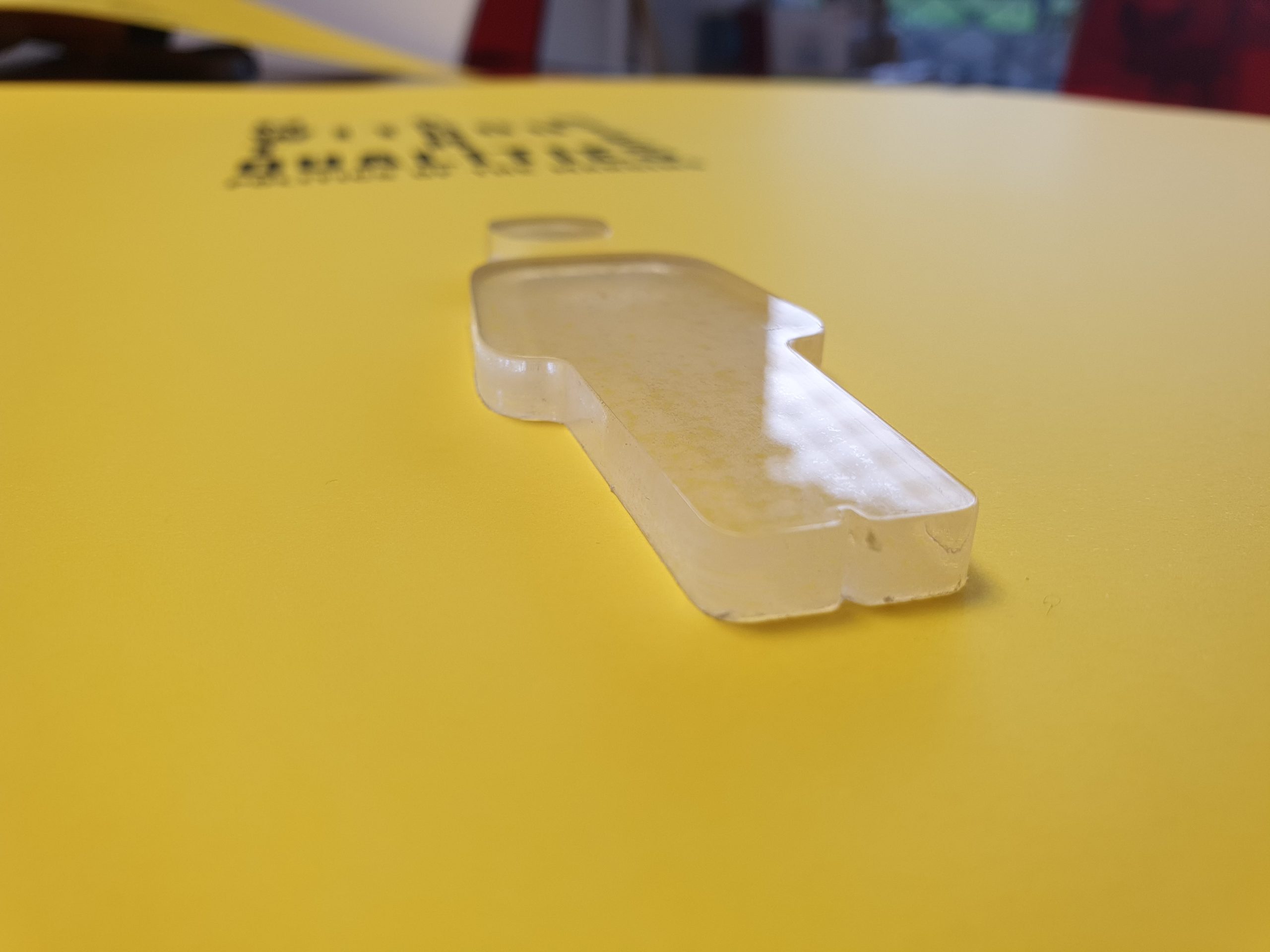
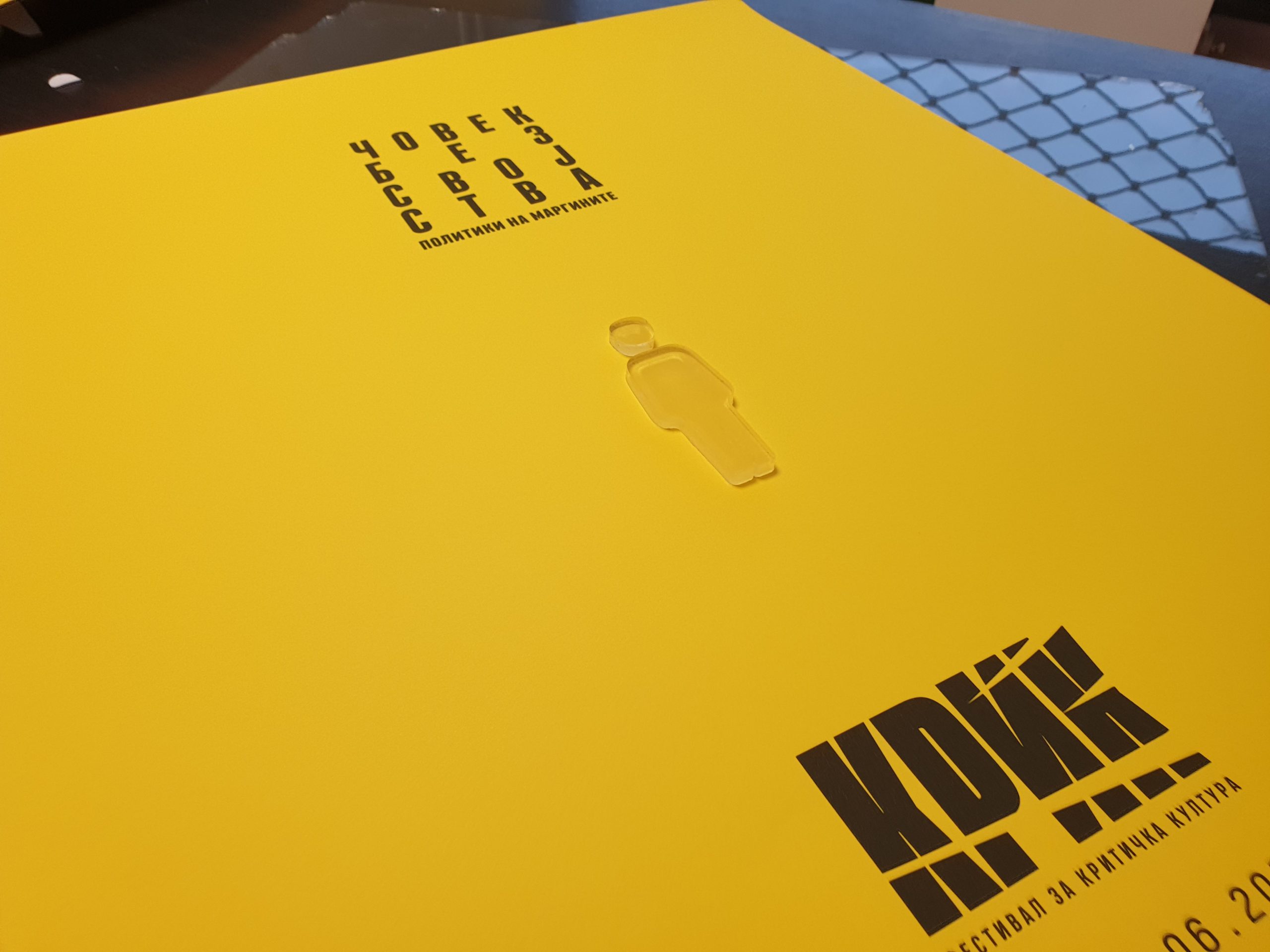
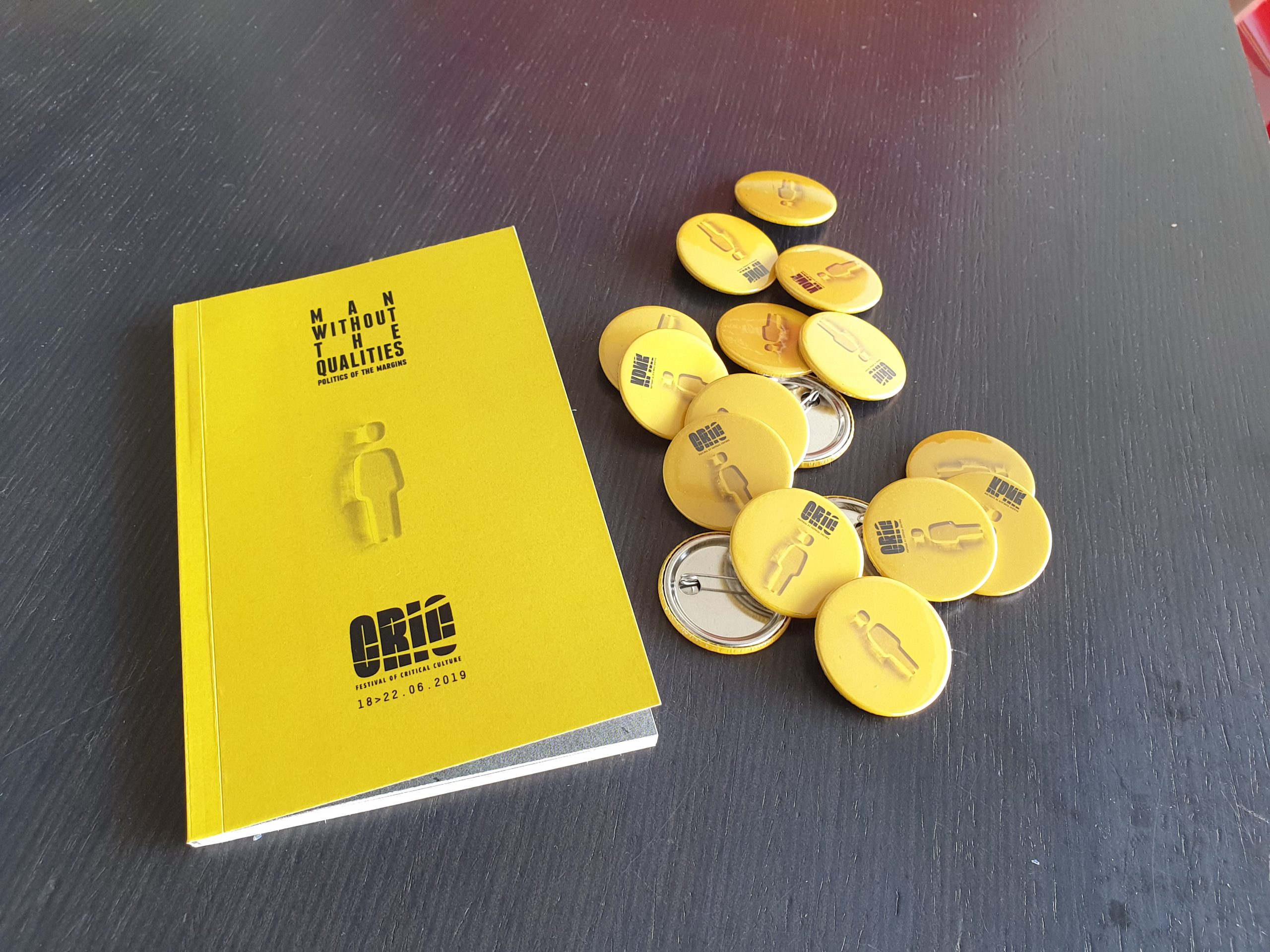
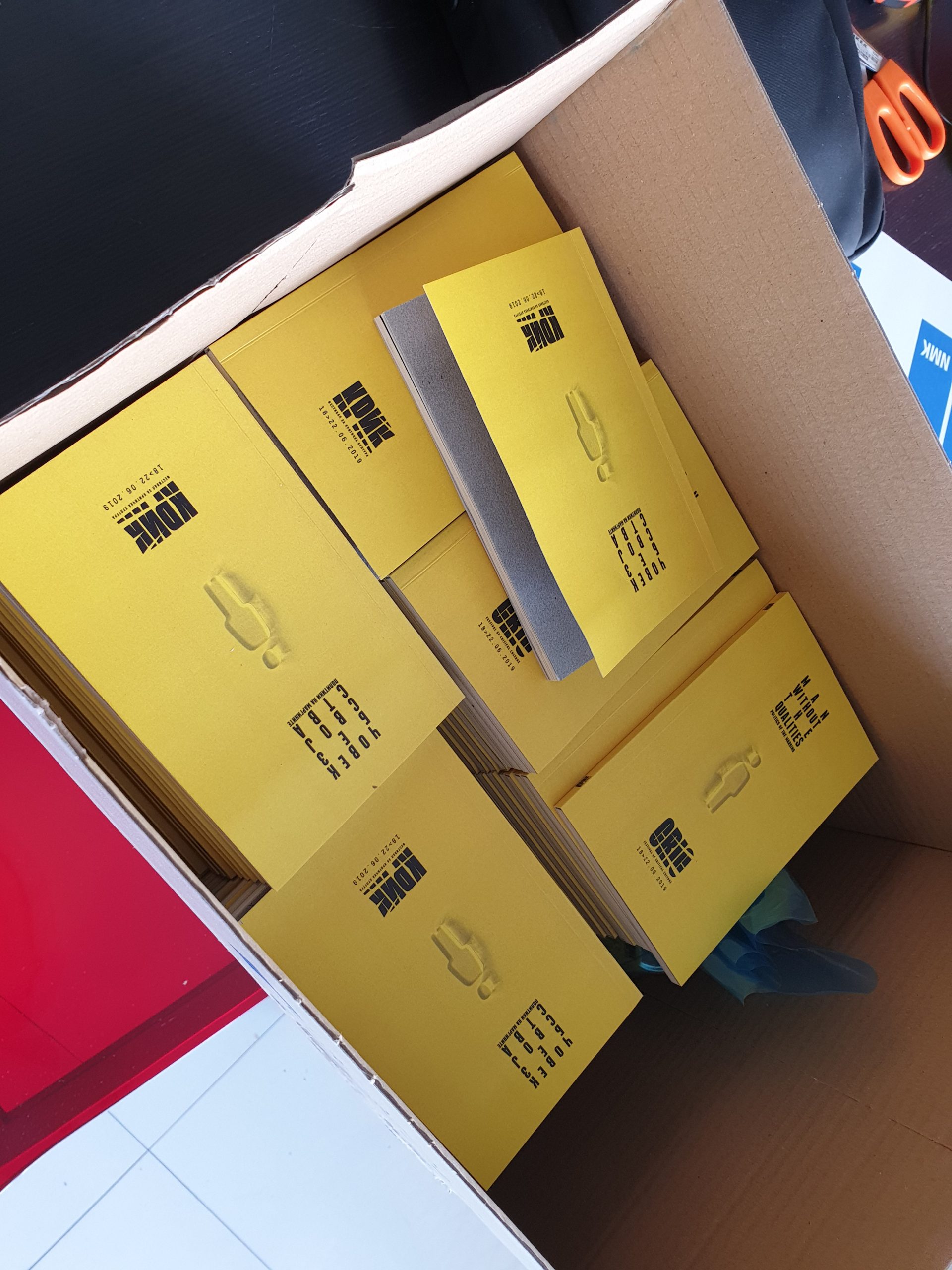
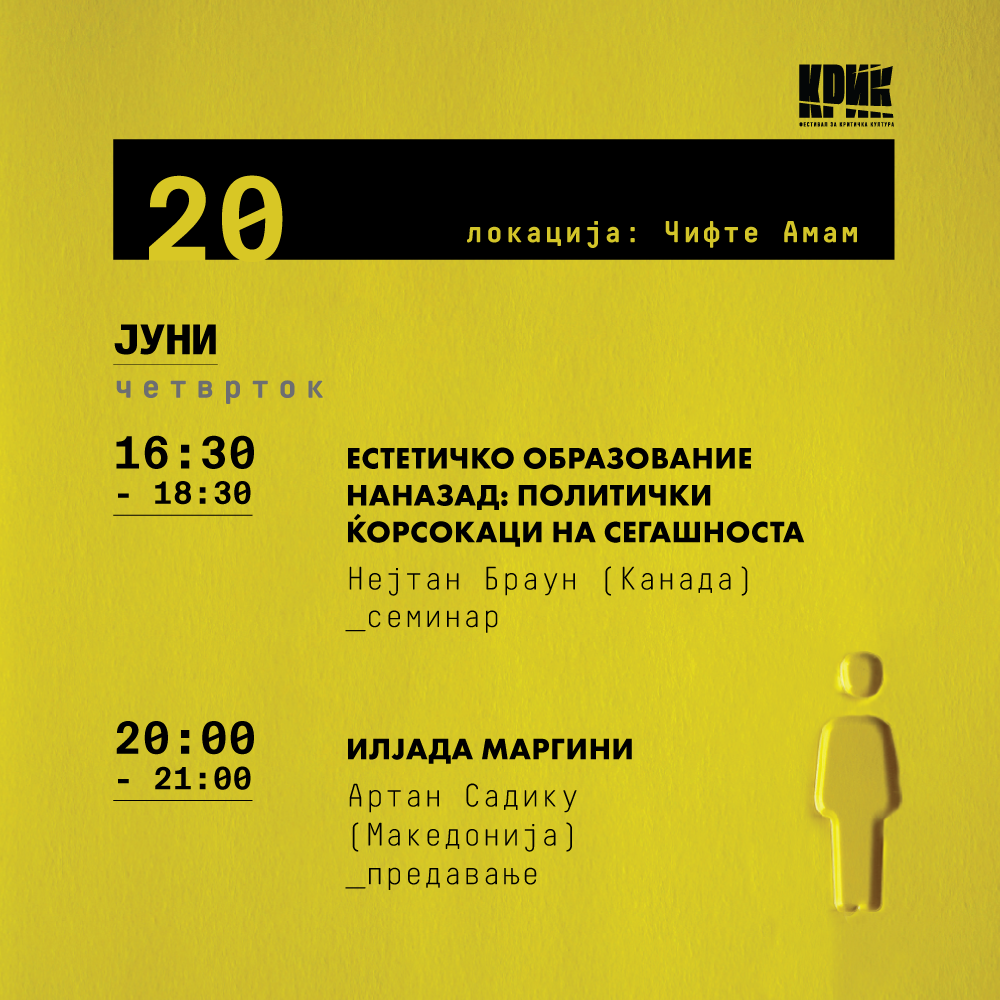
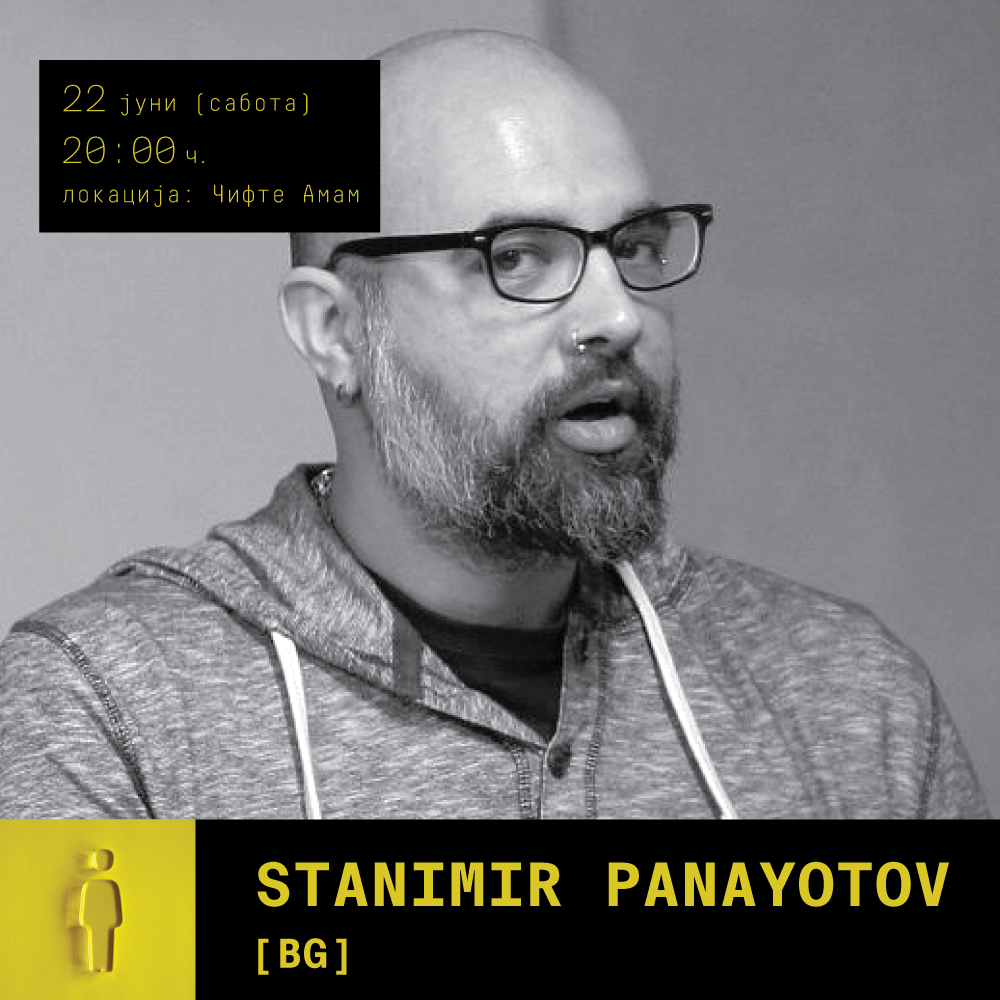
Man Without Qualities – Politics of the Margins (2019) explores the condition of the contemporary subject gradually losing social, political, and cultural identity. The visual identity materialized this concept through a transparent human figure made of plexiglass, physically mounted onto posters and printed materials, making “absence” literally present.
The design transformed the festival theme into a tactile, three-dimensional experience where marginalization, non-belonging, and the erosion of identity were expressed through a minimalist and concept-driven visual language.
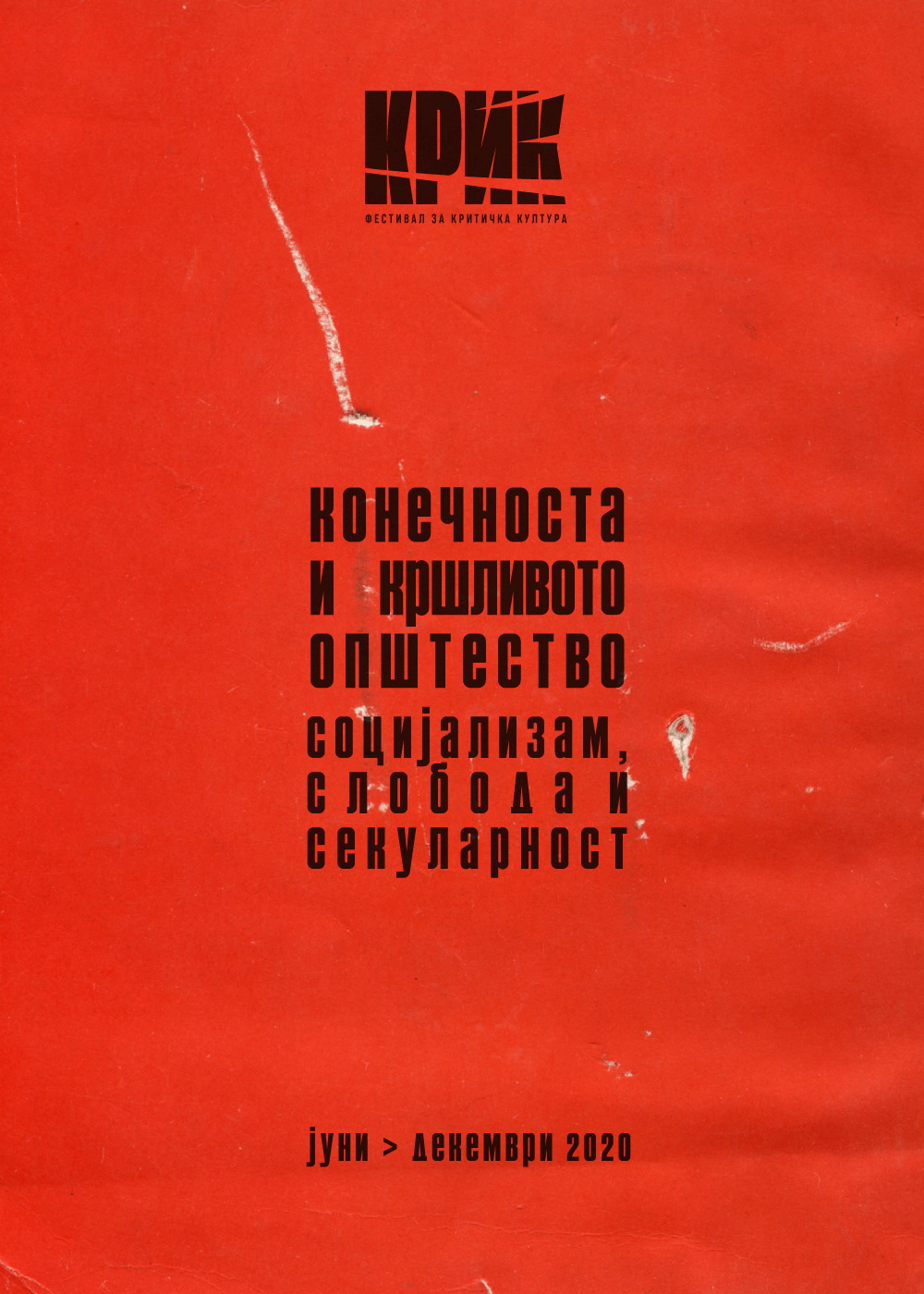
The 2020 edition of KRIK – Festival of Critical Culture responded to a moment of global fragility and collective uncertainty. Under the theme Finitude and the Fragile Society — Socialism, Freedom and Secularity, the program examined how crisis reshapes political systems, social solidarity and the meaning of freedom, opening space for new models of collective responsibility and critical cultural action.
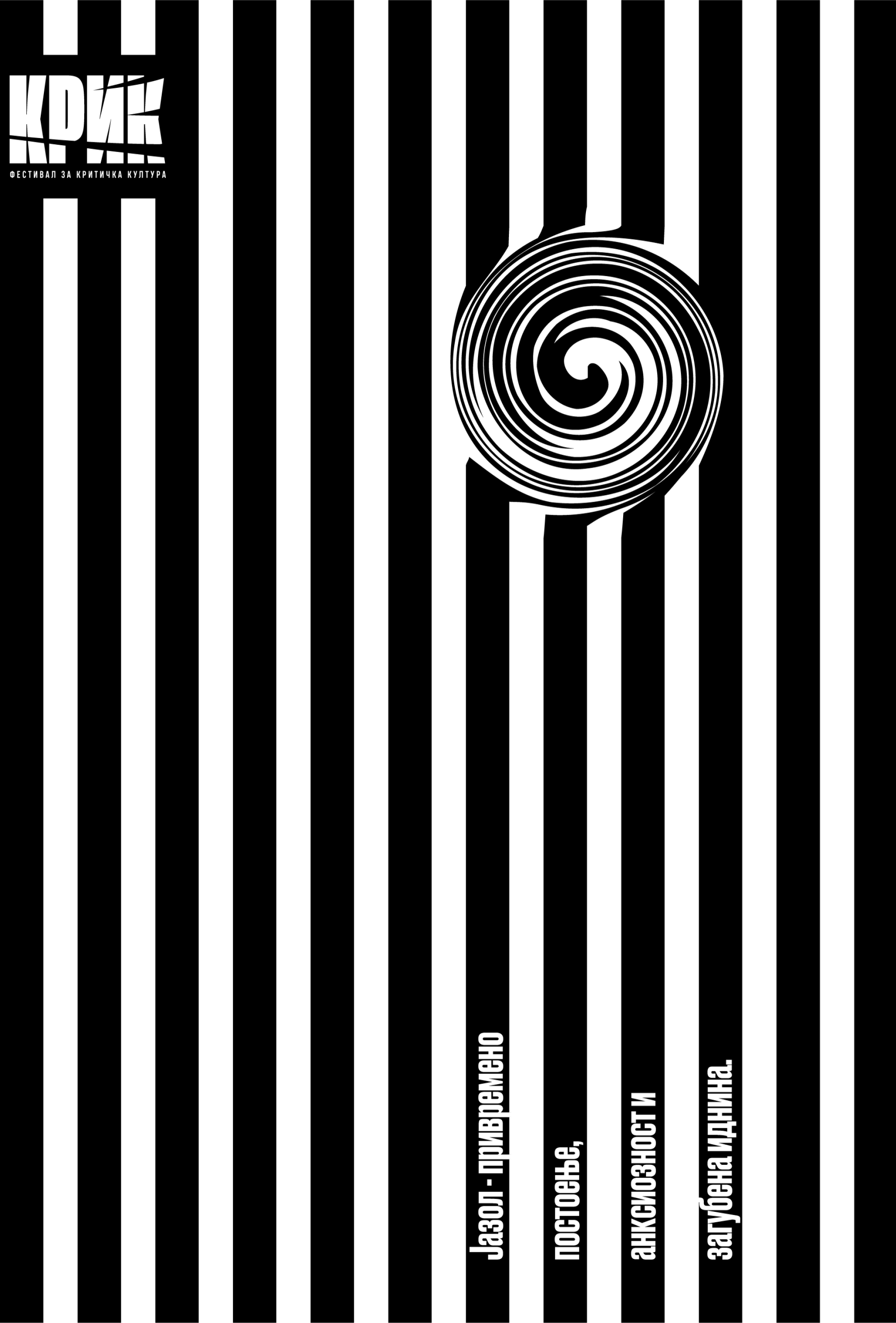
KRIK 2021, Knot — Temporary Existence, Anxiety and a Lost Future, examined the emotional strain of prolonged uncertainty. Black-and-white vertical stripes twist into a hypnotic spiral, forming a visual knot that symbolizes entanglement, pressure and the feeling of being trapped in unresolved time.
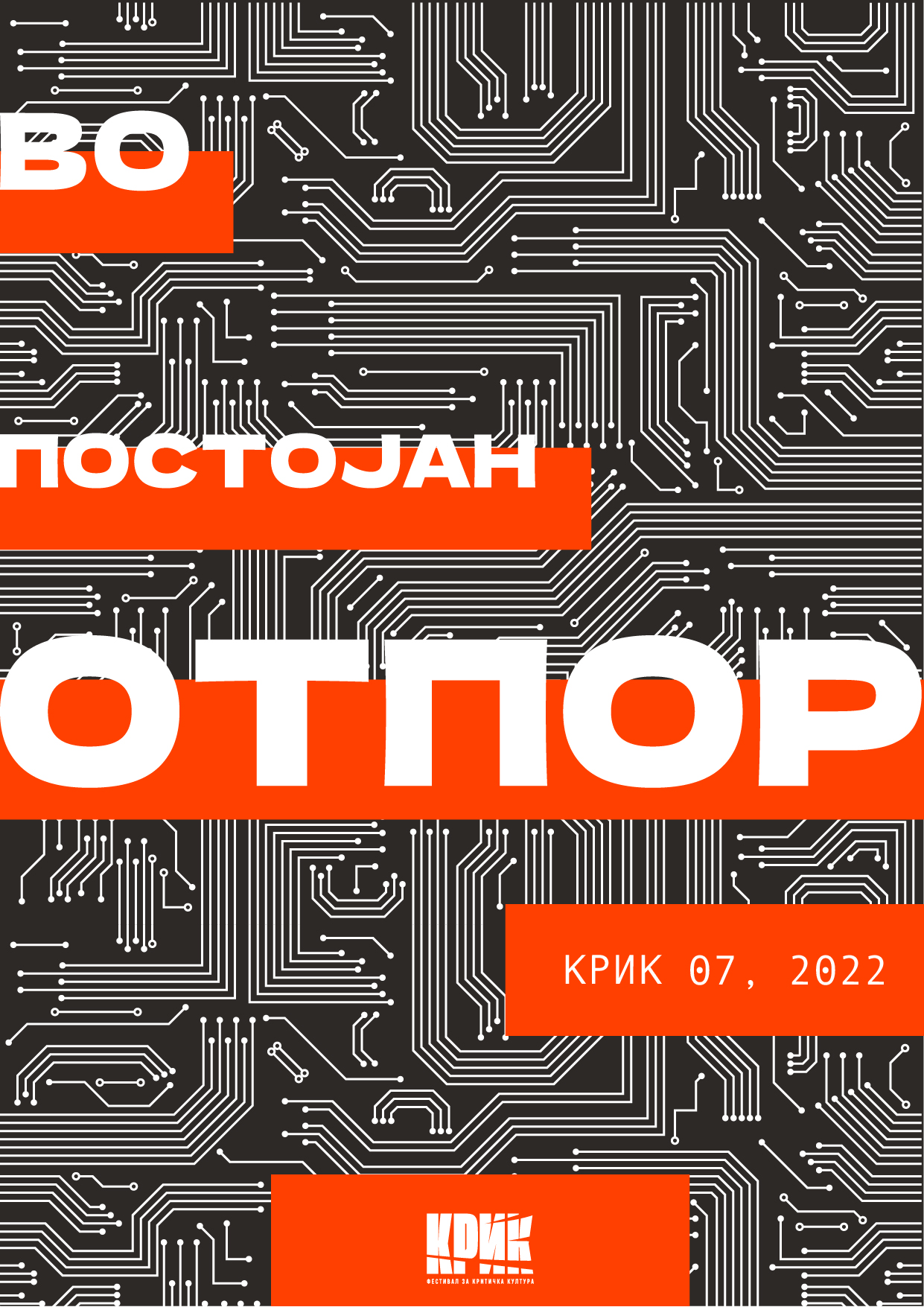
2022 — In Constant Resistance
The seventh edition of KRIK – Festival for Critical Culture, titled In Constant Resistance, focused on the urgency of collective and individual strategies of resistance in times marked by political instability, social fragmentation and prolonged crisis.
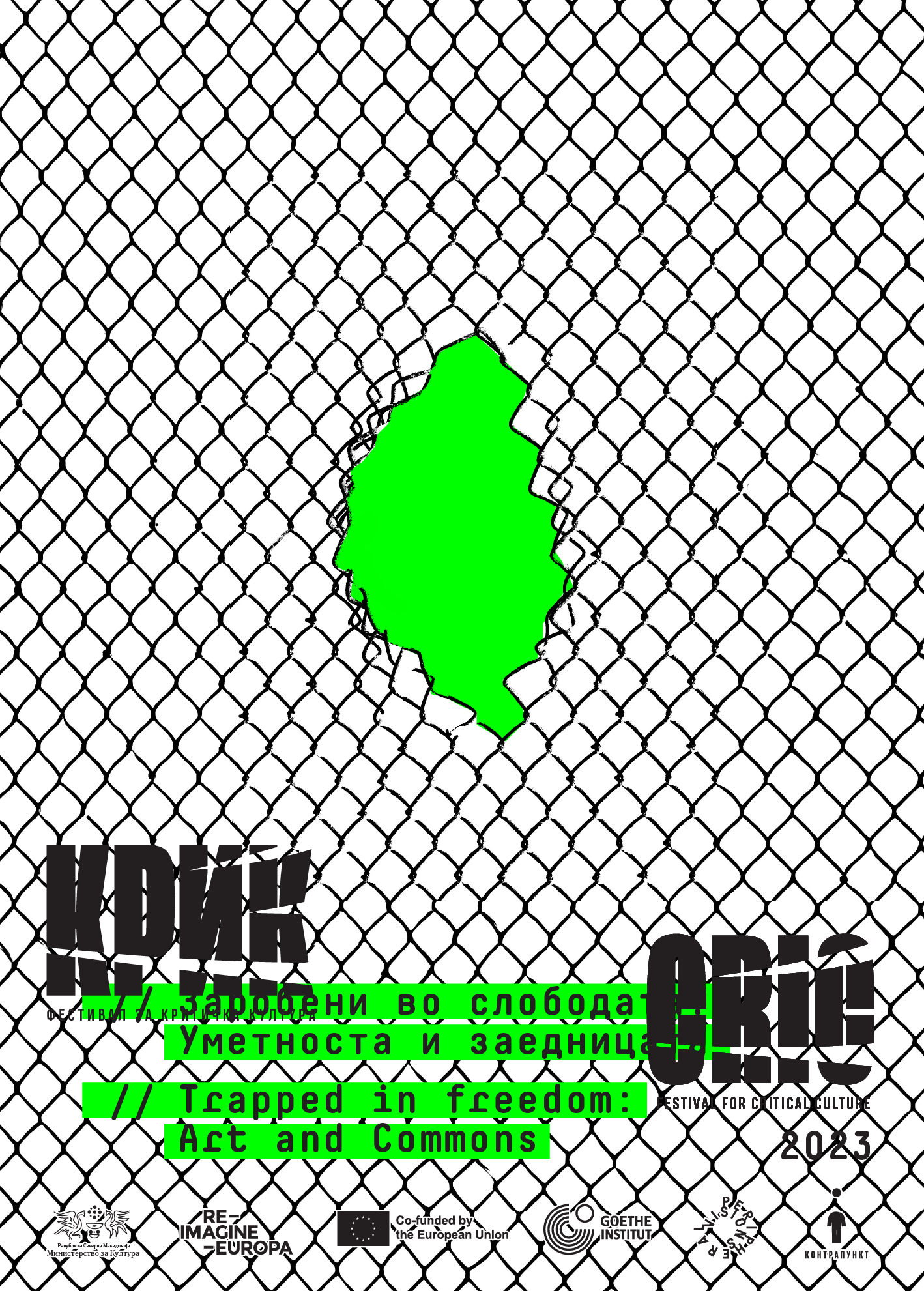
KRIK 08 — Trapped in Freedom (2023) explored the paradox of freedom within institutional and social systems. The visual language used stark metaphors of confinement and rupture to question how “free time” and civic agency are shaped by power structures.
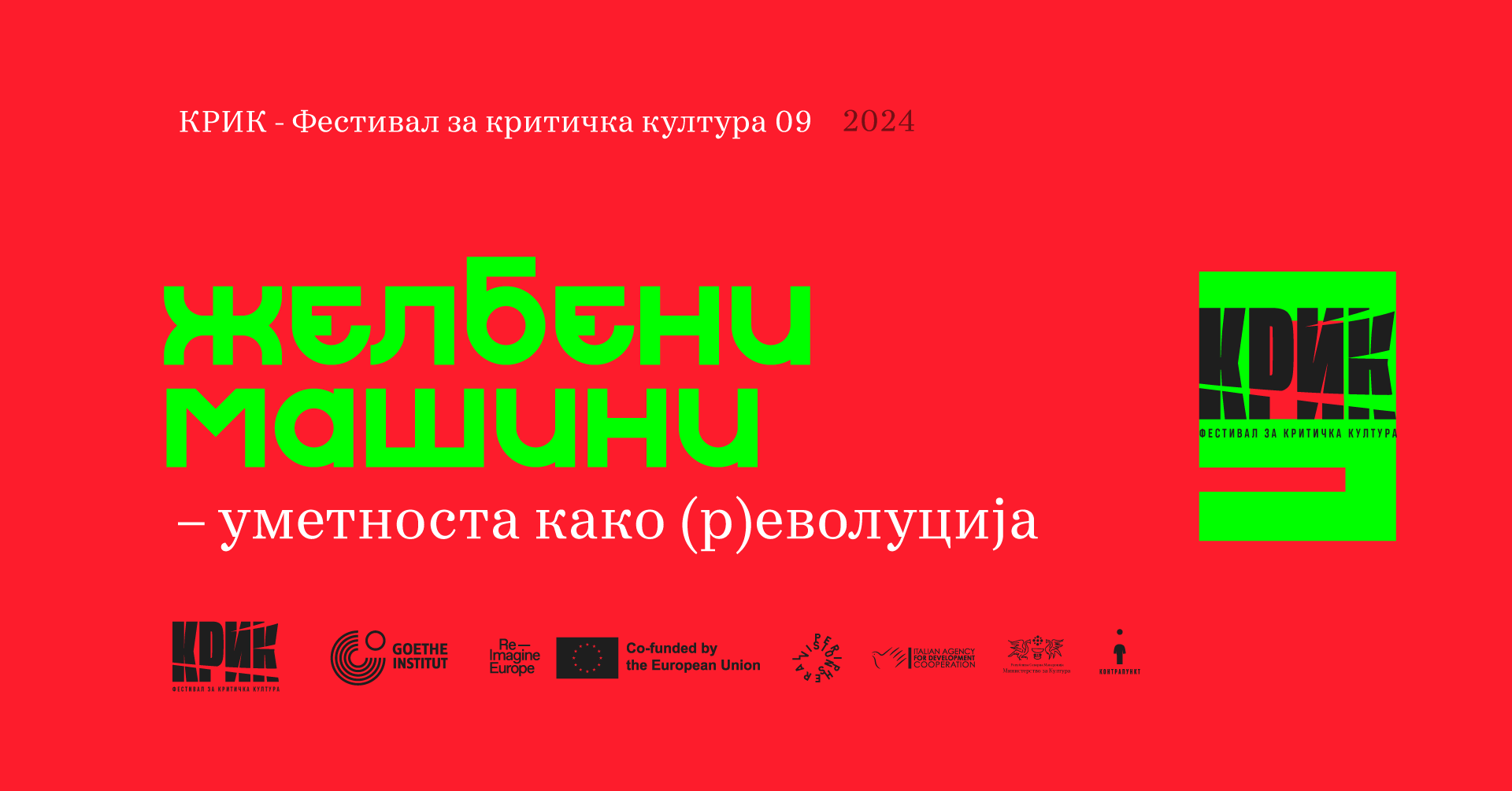
KRIK 09 — Desiring Machines: Art as (R)evolution examined desire within algorithmic and machinic systems that shape contemporary life. As theory confronts its limits, art emerges as a critical space of resistance capable of interrupting dominant production logics and opening transformative imaginaries.
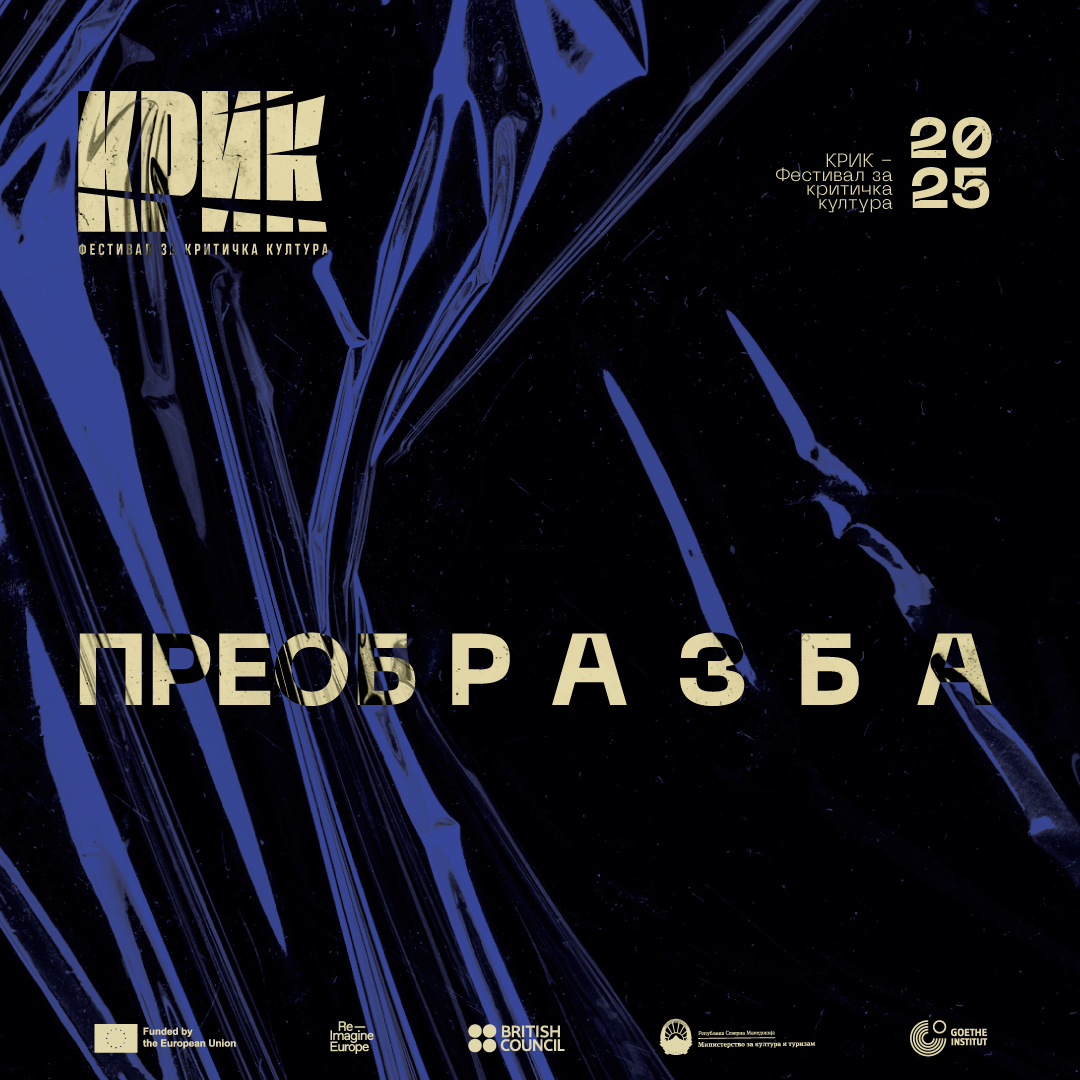
KRIK 2025 framed critical culture as an act of persistence in a time of institutional erosion and normalized inequality. Metamorphosis was understood not as adaptation, but as reconstruction — a refusal of inherited forms and a call to rebuild solidarity, collective life and spaces of dissent.
Context
KRIK developed as an independent cultural platform operating within unstable political and social conditions, where critical thought and public dialogue required alternative spaces and strong visual articulation.
Approach
Each edition was guided by a clear conceptual theme translated into reduced, symbolic and adaptable visual systems, treating design as a tool for critical communication rather than decoration.
Why it mattered
The decade-long continuity demonstrates how design can sustain cultural memory, support critical platforms and actively shape public discourse through consistent visual identity.